Secure verified impact credits
Our team can help you understand a solution, the investment process and how impact credits can support your sustainability goals.
Explore verified environmental credit solutions
Fossagrim, Habitat Forest
Oslo, Norway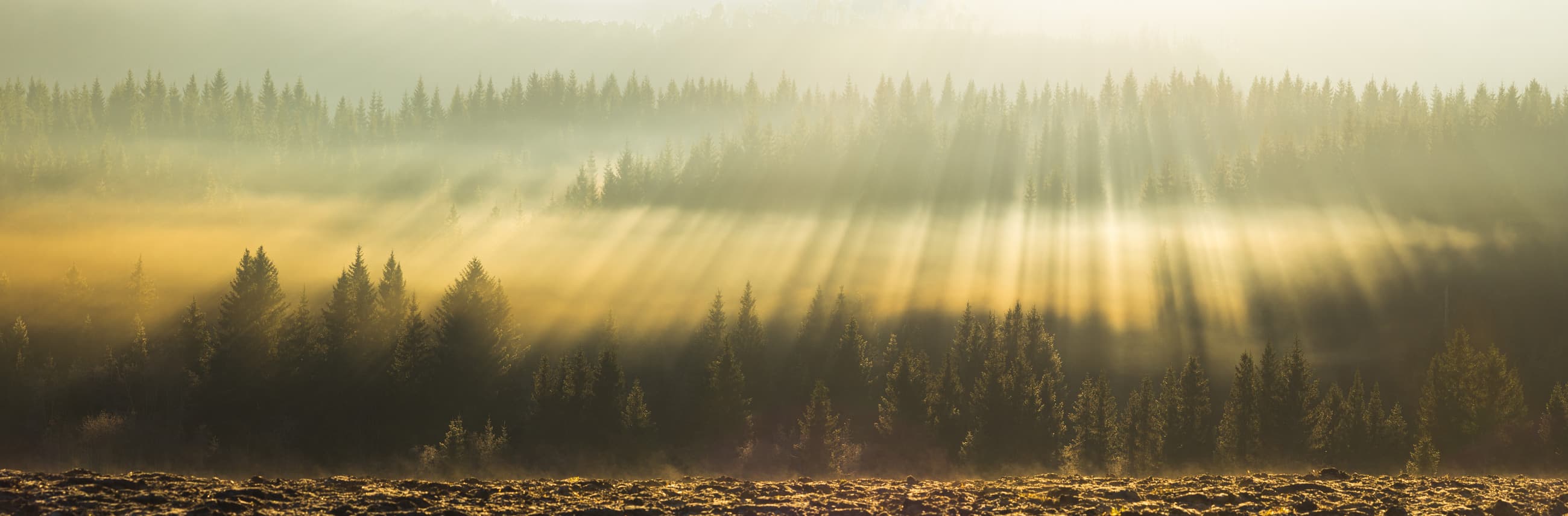
Old forests store carbon and shelter thousands of species. As timber value outweighs wider benefits, they can fall to clear-cutting. Fossagrim creates financial value for keeping Forest standing. Standing Forest = Lasting Value.
Grønn Gårdsenergi, Røysland farm
Bjerkreim, Norway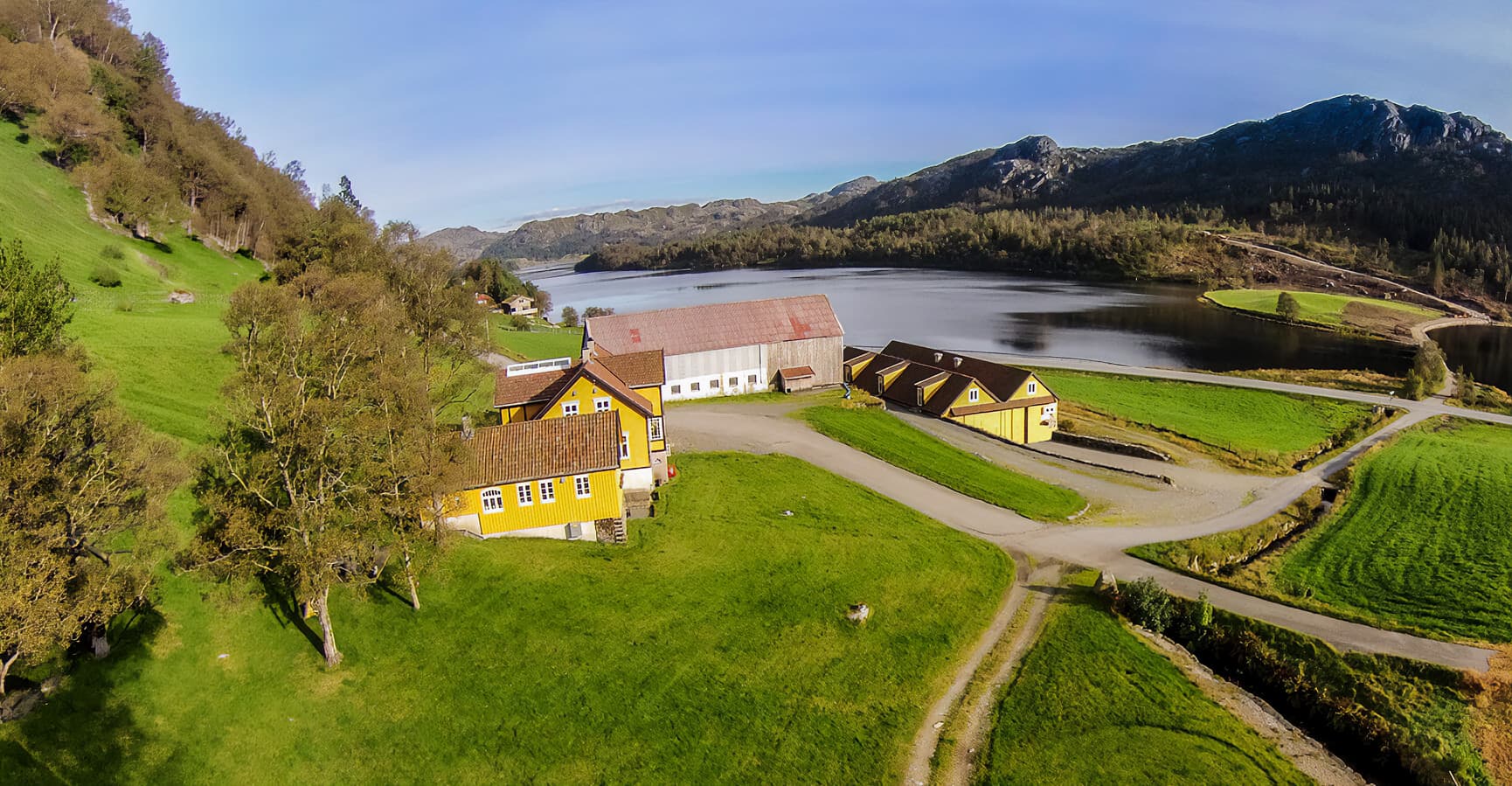
Stable food production is needed in times of emergency. Røysland farm delivers both traceable energy today, and food for the population when the grid goes dark. Energy Security = Food Security.
Kvistaul-Åmotsdal, Habitat Forest
Seljord, Norway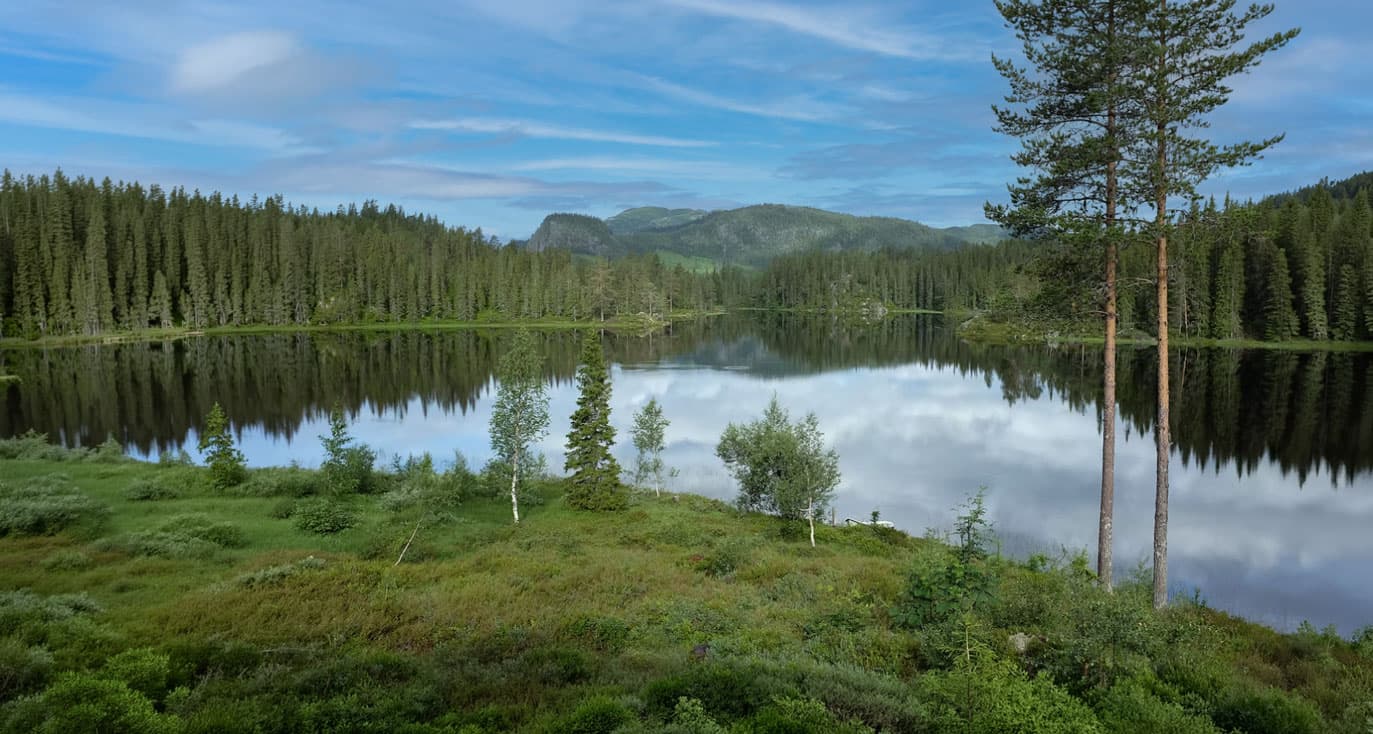
Protecting 95.1 ha of spruce-dominated forest in Åmotsdal from clear-cutting. Kvistaul has trees over 140 years old and a rich variety of herbs and ferns. Old Forest = Lasting Value.
Mære Landbruksskole, Biochar
Trøndelag, Norway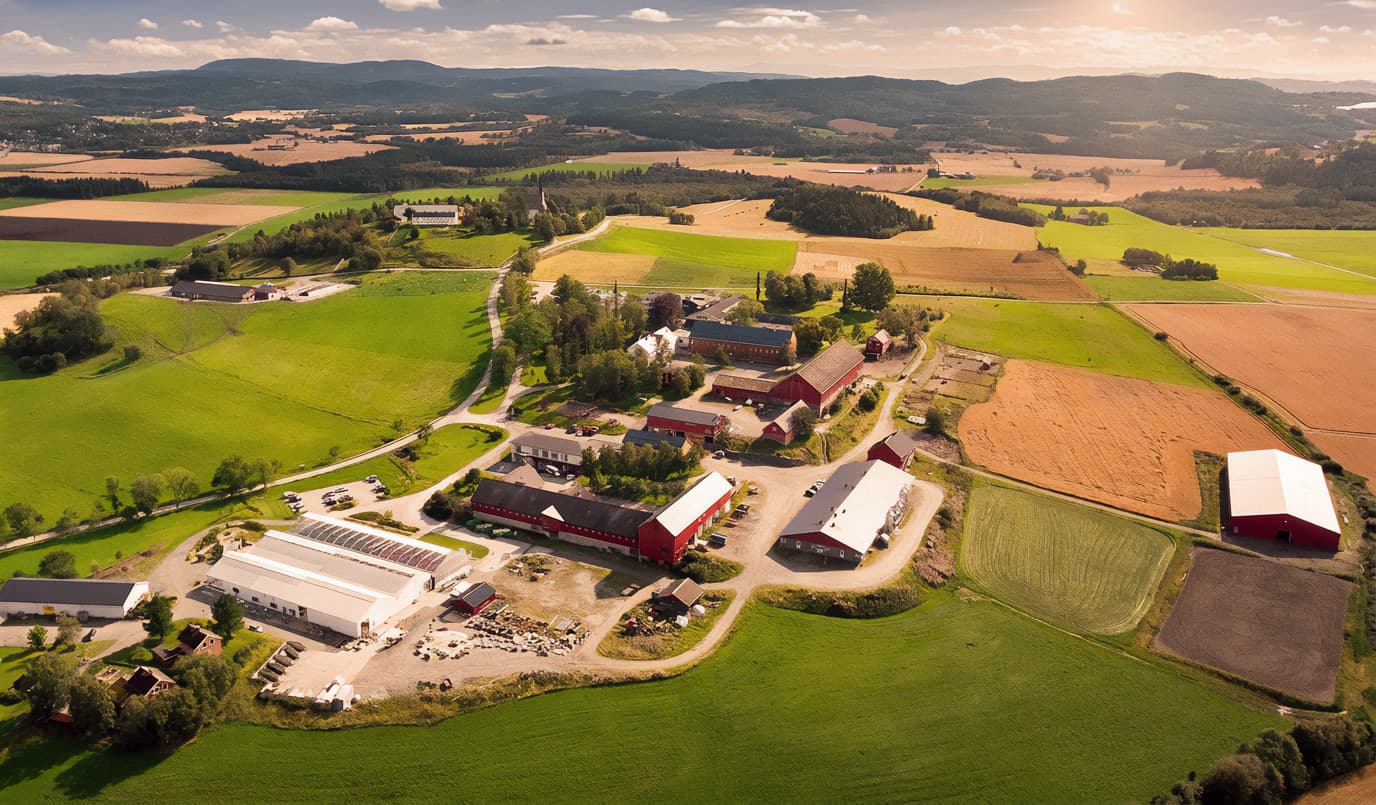

Mære is an agricultural school in Trøndelag with a working farm. The project creates local value from farm resources, producing around 100 tonnes of biochar annually & measurable carbon removal. Farm Resources = Local Value + Carbon Removal
Ocean Oasis, Freshwater
Gran Canaria, Spain

Gran Canaria suffers from water shortage impacting both local business & tourism. Ocean Oasis solution makes fresh water from seawater using wave power instead of traditional fossil fuels. Water Security = Destination Security.
Stitjønna-Søgne, Habitat Forest
Kristiansand, Norway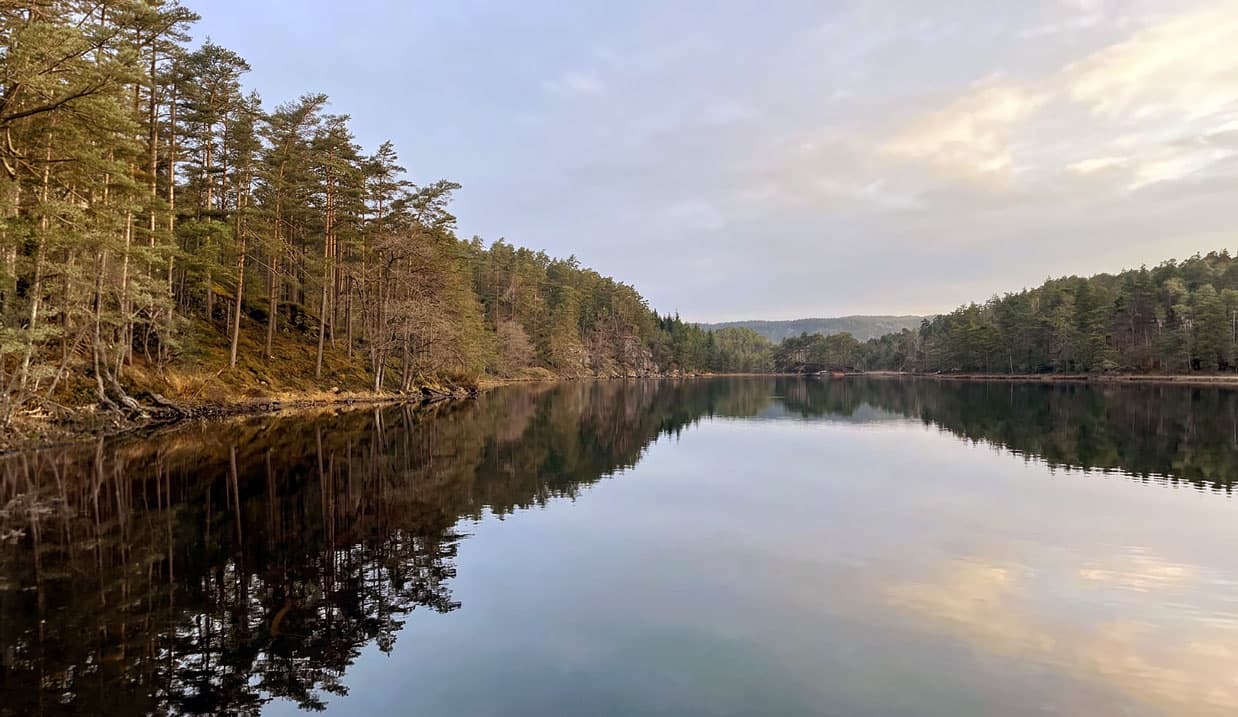
Protecting 52.9 ha of mixed forest in Stitjønna from harvesting. It has 100–150-year-old trees, 13 hardwood species and valuable deadwood, providing habitat and space for recreation. Old Forest = Living Habitat.
Toppe Gård, Biochar
Bergen, Norway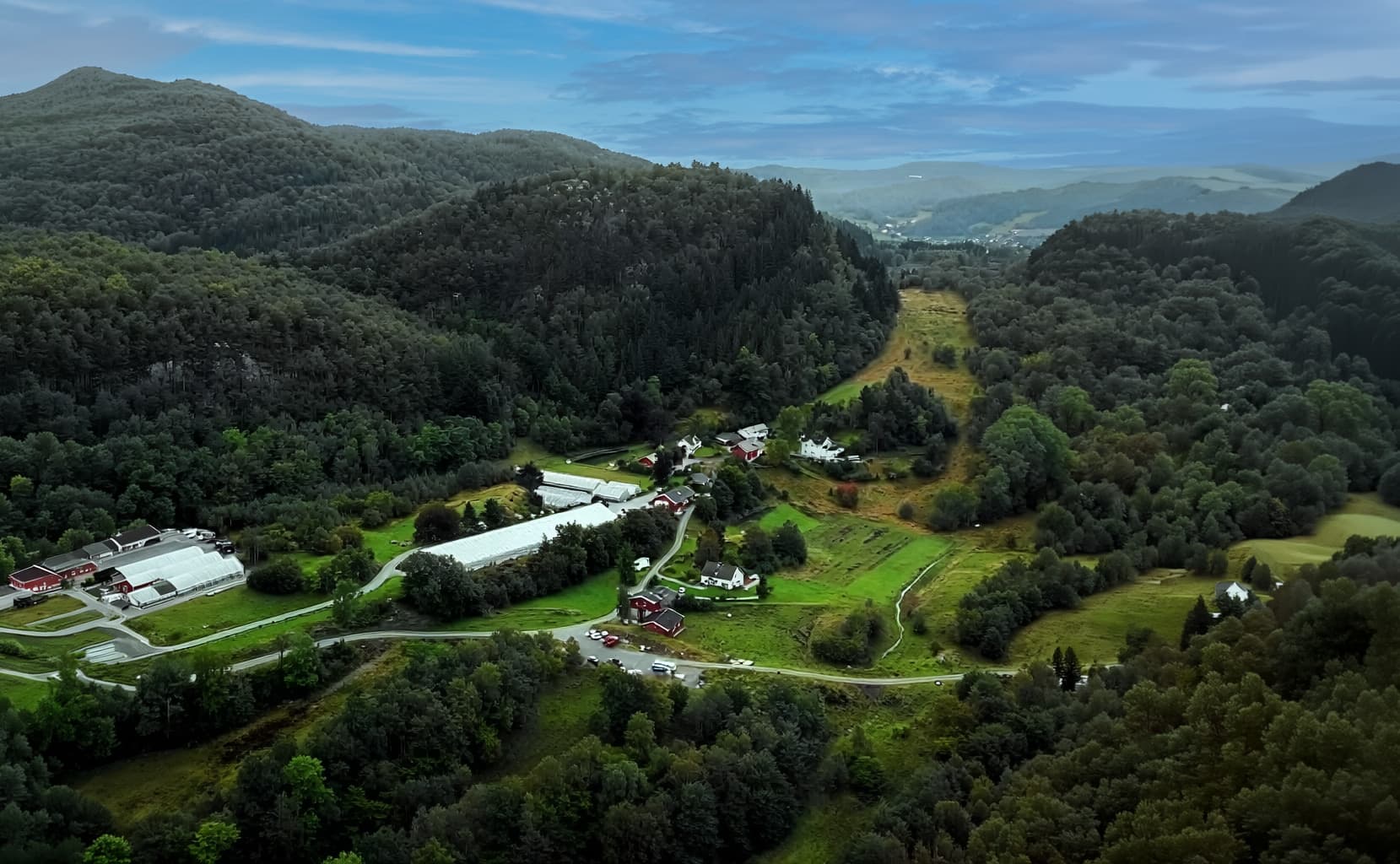

Toppe Gård is a flower & vegetable farm starting biochar production in 2026. Toppe will convert local farm & wood waste into biochar, creating a local use for these materials while storing carbon. Local Farm & Wood Waste = Carbon Removal.
Terra Madre, Agroforestry
Spain, Portugal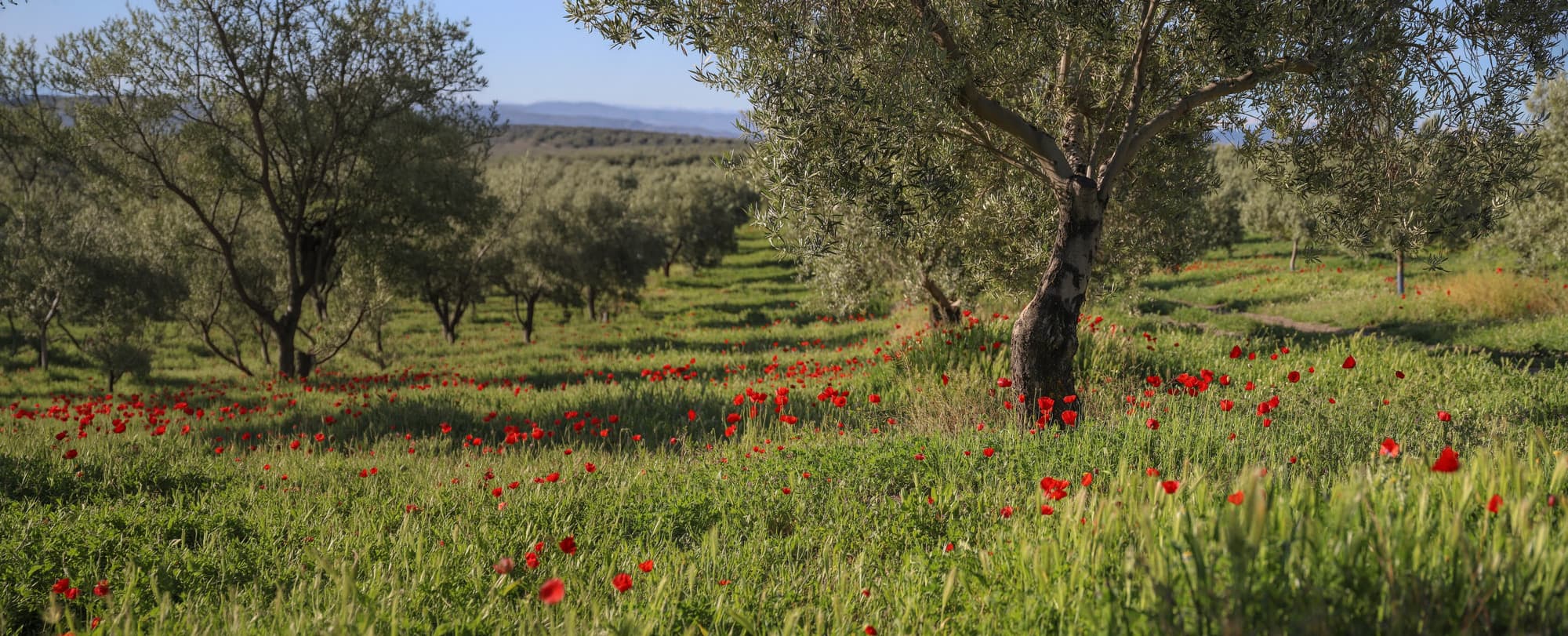

Integrating trees into farming can require high upfront investment. Terra Madre issues carbon credits for carbon stored in soil and growing trees, providing financial incentives for farmers to make the shift. Carbon Financing = Regenerative Farms.